

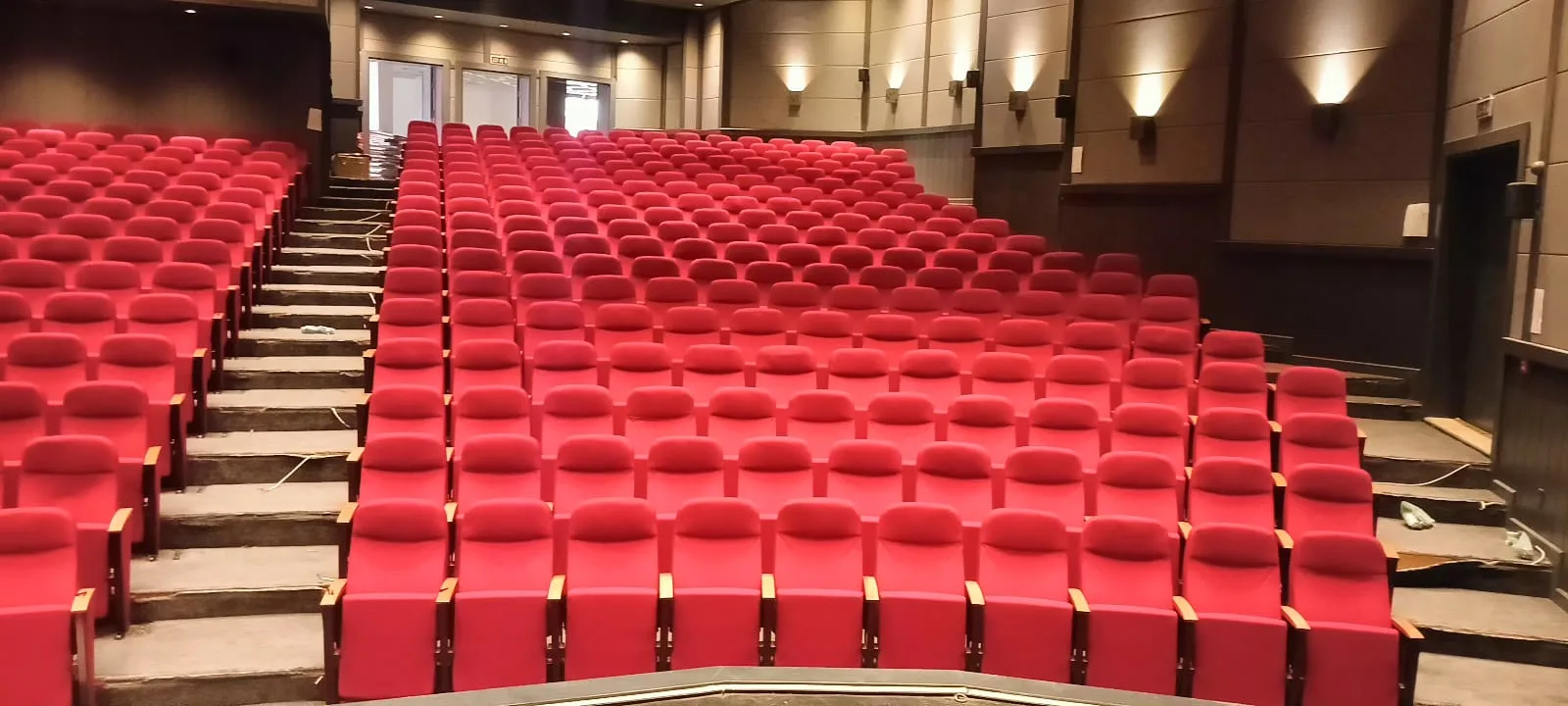
Theatre Chairs and the Live Performance Experience
Live theatre is built on presence. Unlike recorded media, every performance unfolds in real time, relying on uninterrupted attention between the stage and the audience. In this environment, theatre chairs play a critical yet often overlooked role. They support stillness, focus, and comfort while reinforcing the structure and discipline of the performance space.
A theatre chair is not simply a place to sit. It is part of the performance ecosystem, influencing how audiences engage with the stage from the first act to the final curtain.
Theatre Chairs as Part of the Performance System
In theatre venues, seating operates as a system rather than a collection of individual units. Rows, spacing, and alignment all contribute to how the audience behaves and how the performance is perceived.
Well designed theatre chairs support
Upright and attentive posture
Minimal audience movement during performances
Clear visual alignment toward the stage
When seating functions correctly, it disappears into the background, allowing the performance to take full control of attention.
Supporting Audience Focus and Stillness
Theatre performances often require extended periods of concentration. Seating must allow the body to remain stable and supported without encouraging fidgeting or distraction.
Effective theatre chair design focuses on
Balanced back support for sustained sitting
Proper seat depth to reduce pressure
Firm yet supportive seating surfaces
The goal is not relaxation, but controlled comfort that sustains attention.
Spatial Order and Seating Discipline
Theatre chairs define how space is organized within the auditorium. Their layout establishes rhythm, symmetry, and visual order.
A disciplined seating arrangement contributes to
Clear sightlines from every position
Predictable circulation paths
A sense of structure and formality
This spatial order reinforces the seriousness and focus associated with live performance.
Acoustic Considerations in Theatre Seating
Sound behaves differently in theatres than in cinemas. Voices and instruments interact directly with the audience, making acoustic neutrality essential.
Professional theatre chairs are designed to
Remain silent during use
Avoid vibration or mechanical noise
Support consistent acoustic conditions
Seating must never interfere with the soundscape of the performance.
Durability Under Repeated Use
Theatre venues host repeated performances, rehearsals, and diverse events throughout the year. Seating systems must maintain performance and appearance despite frequent use.
Durable theatre chairs rely on
Stable internal structures
Materials that retain form over time
Construction methods that prevent loosening or noise
Durability ensures that seating supports the venue consistently across seasons.
Visual Presence and Architectural Harmony
Theatre chairs occupy a large portion of the visual field inside the auditorium. Their design must complement the architecture without drawing focus away from the stage.
Visually restrained theatre chairs support
Architectural coherence
Balanced proportions
A timeless and professional appearance
This restraint allows lighting, set design, and performance to remain dominant.
Adapting to Different Theatre Formats
Modern theatres host a wide range of performances, from drama and opera to lectures and experimental productions. Seating must support this variety without compromising performance.
Adaptable theatre chair solutions allow
Consistent comfort across formats
Stable performance regardless of event type
Long term relevance as programming evolves
Adaptability comes from planning rather than mechanical complexity.
Operational Efficiency and Maintenance
Beyond audience experience, theatre chairs affect daily operations such as cleaning, inspection, and maintenance.
Well planned seating systems support
Efficient cleaning routines
Easy access for inspection
Reduced downtime between events
Operational efficiency helps theatres remain active and sustainable.
Theatre Chairs as a Long Term Asset
Theatre seating is evaluated over many years of use. Long term reliability is therefore essential.
A long term approach prioritizes
Structural stability
Consistent comfort levels
Reduced need for replacement
Theatre chairs become part of the venue’s lasting infrastructure.
The Invisible Contribution of Theatre Chairs
The most successful theatre chairs are rarely noticed by the audience. Their effectiveness is measured by the absence of discomfort, noise, or distraction.
When theatre chairs perform correctly, they
Support uninterrupted focus
Maintain spatial discipline
Enhance the live performance experience
Conclusion
Theatre chairs are a foundational element of live performance spaces. They shape posture, focus, acoustics, and spatial order while remaining visually and mechanically discreet.
When designed with discipline, durability, and long term use in mind, theatre chairs become invisible partners in the success of every performance, supporting the connection between stage and audience without ever demanding attention.
Created By : Monseat